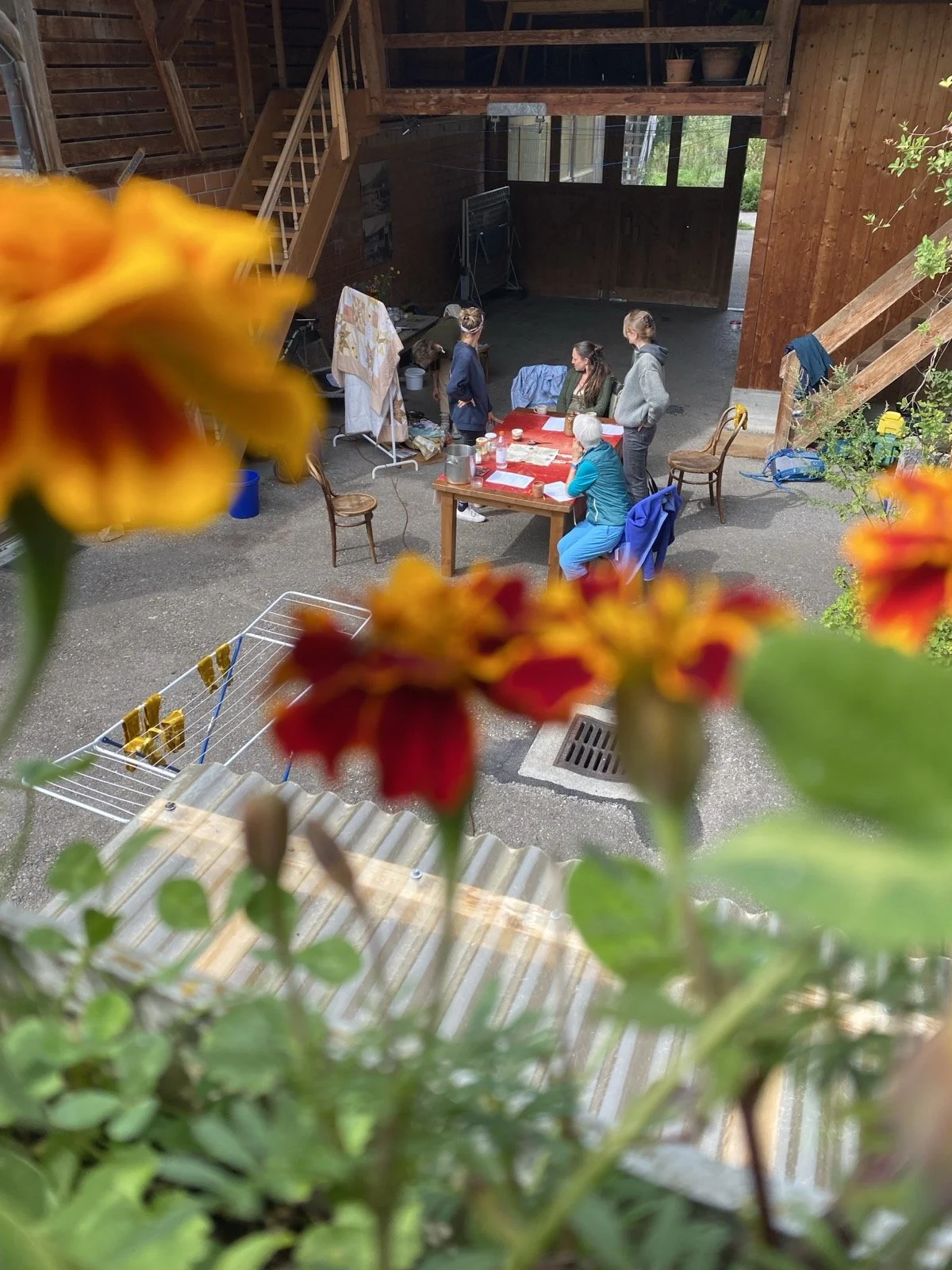
Botanical Printing with Plants
22 August 2026 13:00-17:00
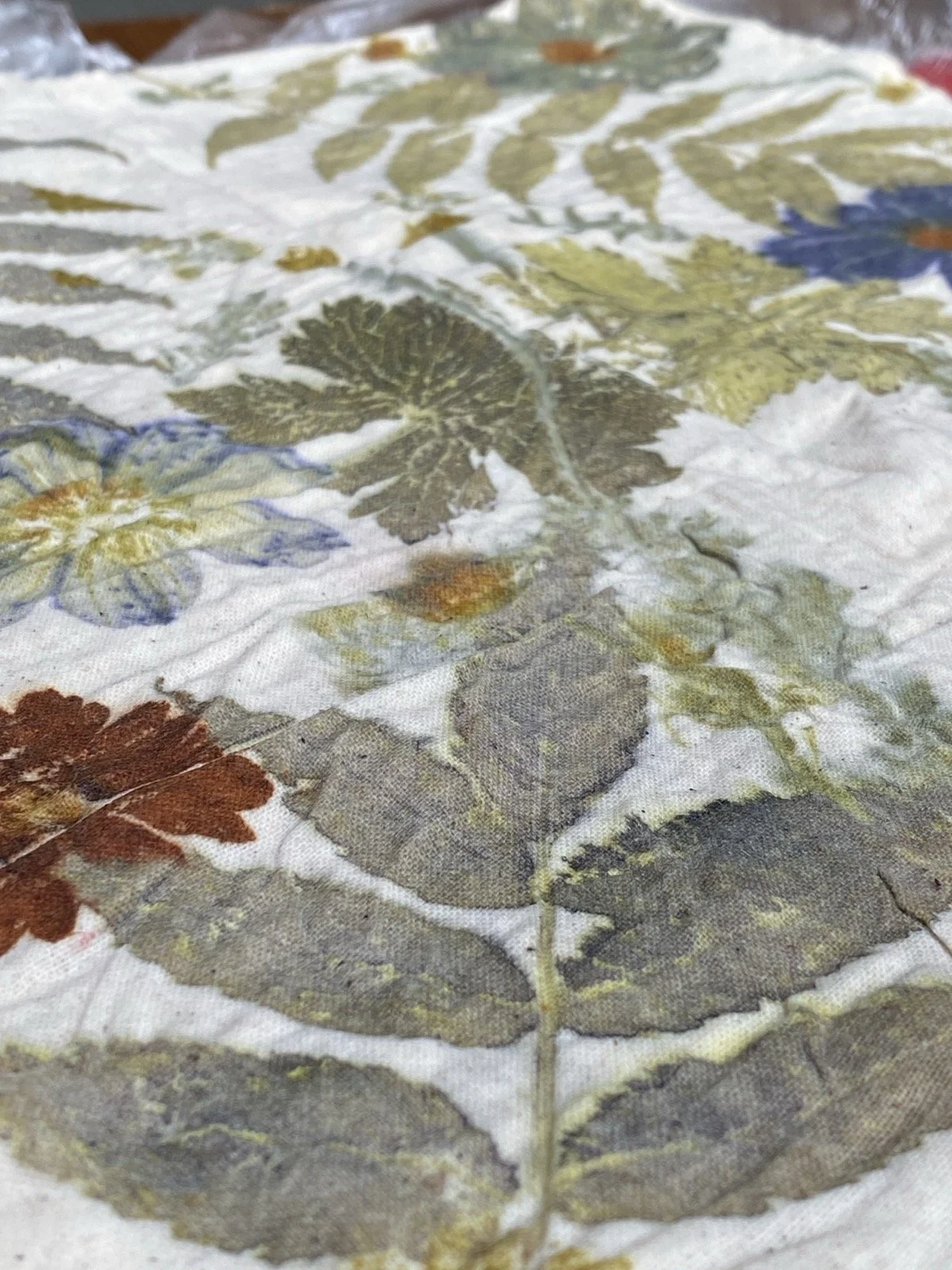
Introduction
Discover the beauty of botanical printing and create your own one-of-a-kind cotton tote bag using fresh leaves and flowers.
For centuries, people have coloured textiles with plants gathered from their surroundings. Although synthetic dyes have become the norm, working with natural colours invites us to slow down, observe the plants around us, and reconnect with an age-old craft in a creative and sustainable way.
This hands-on workshop is a gentle introduction to botanical printing (also known as ecoprinting). Together, we’ll explore the basics of preparing fabric, working with local plants, and creating unique prints that celebrate the beauty of nature.
During the workshop, you will:
Learn the basics of preparing natural fibres for botanical printing.
Discover why scouring and mordanting are important, including a demonstration of how to make a simple aluminium acetate mordant.
Learn about plants that can be used for botanical printing, including flowers and leaves from the Naturhof dye garden and common plants you may find in your own surroundings.
Create your own botanical composition on a pre-mordanted cotton tote bag.
Reveal your finished print and learn how to care for it at home.
Each participant will take home their own botanical-printed tote bag, along with a handout containing mordant recipes, helpful notes, and a guide to plants suitable for botanical printing.
All materials are provided, and no previous experience is necessary.
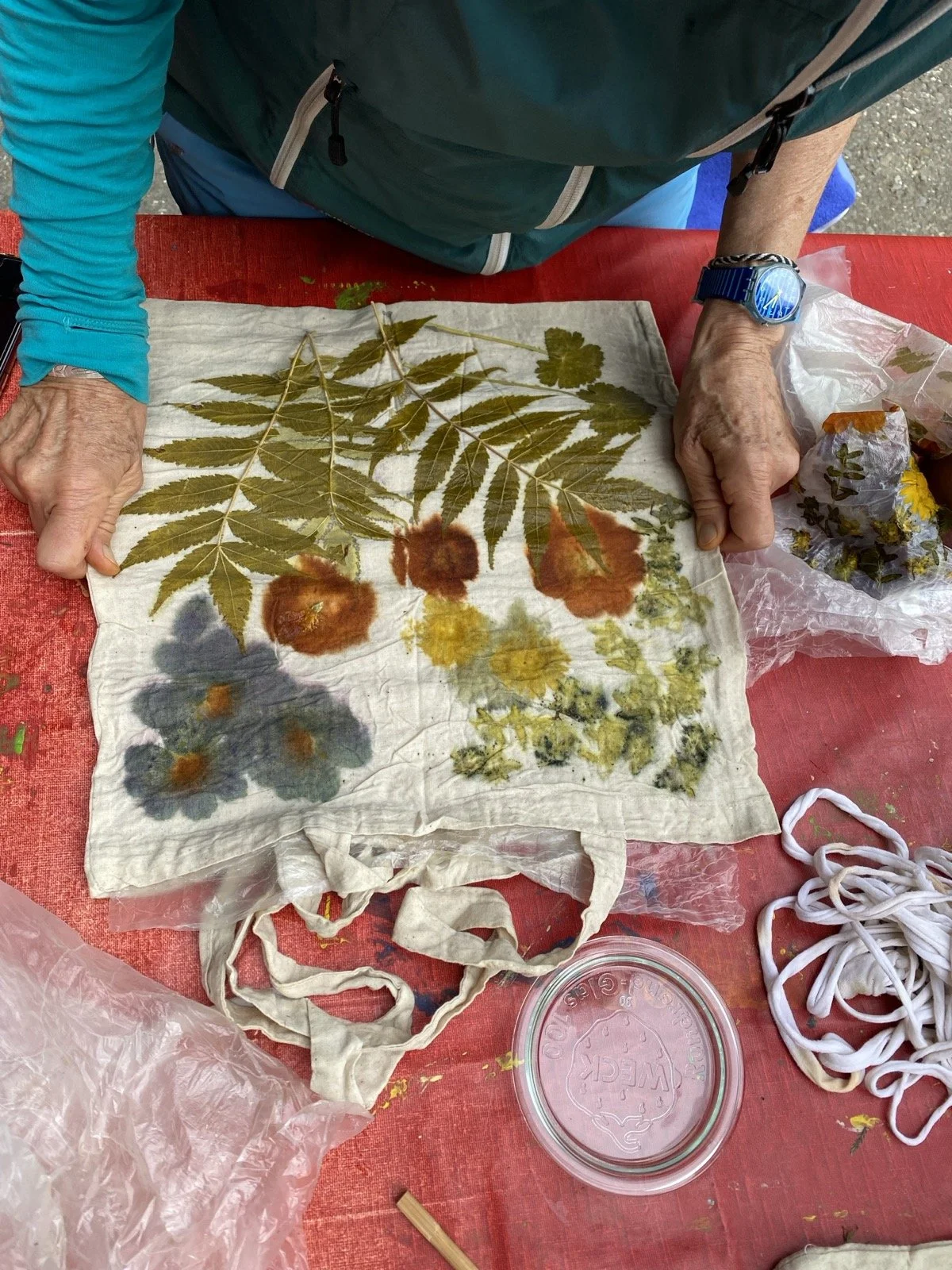
Language: English
Time: 13:00–17:00
Price: Sliding scale: CHF 70 / CHF 85 / CHF 100
Please choose the amount that best reflects your financial situation. Paying the higher rate helps make the workshop accessible to others.
Group size: Limited to 4–8 participants.
Location: Naturhof, Griesalpstrasse 94, 3723 Kiental
Registration: Email: karklina.elza@gmail.com
Course leader
Elza Kārkliņa is a Latvian artist, illustrator, and member of the Naturhof permaculture project. She enjoys growing dye plants and exploring natural ways of colouring textiles. Through her workshops, she hopes to inspire curiosity, creativity, and a deeper connection with the plants that grow around us, while encouraging participants to continue experimenting at home.